Current astronomical knowledge is the result of a very long process, and of a succession of numerous research efforts and discoveries. Getting to know its key stages helps us understand the way we describe the sky today, and provides powerful insight into our scientific approach, as well as our reflective capacity and our questioning ability.
Here is a partial overview of the main steps that led to our current understanding of the sky.
Credits: unless otherwise stated, all images come from the author or from Wikimedia Commons and are used under their respective licenses (public domain, CC0, CC BY, CC BY-SA…).
Note: AI (in this case Mistral) was of course used to help verify, or correct certain historical points, and also for translation, but all the research and content remain entirely human-made. 🙂
Introduction
Curiosity is part of human nature, and many questions arise as we try to understand the world around us:
Why do objects fall to the ground?
Why are the days shorter in winter?
Where do the elements that make up nature come from?
Why does the sea rise and fall? Why is there a winter and a summer?
How long has the world existed? Will it always be there?
And above us, by day and by night, there is the sky. Contemplating it also raises questions, more or less essential to our daily lives:
What is the Sun? Why is it warm when it is there, and cold when it is hidden?
What is the Moon? Why does it seem to have an influence on crops, but also on ourselves?
Is the sky unchanging, or does it evolve over time?
Why does the sun rise and set? And why does it sometimes turn black and hide itself from our view?
What do comets and shooting stars announce?
Ancient times
Since the earliest times, humans have been staring at the sky. Native Americans, Europeans, Asians… all have left traces of their observations, in the form of engravings, petroglyphs, and of course written accounts.
Many artifacts related to the observation of the sky have come down to us. Among the best known, one can mention the site of Stonehenge, although its exact nature is still subject to debate. Another site is that of the mégaliths of Carnac in French Brittany, considered by some to be a giant calendar that could have been used to precisely determine the periods of the agricultural year. But these artifacts remain intimately bound to a religious role, or at the very least a mystical one.
But above all, many civilizations – Babylonians, Mayas, Indians, Egyptians, Greeks, Arabs, Chinese… precisely recorded their observations over centuries. These records are precious, as they can be exploited by modern science to improve our understanding of the universe and its evolution.
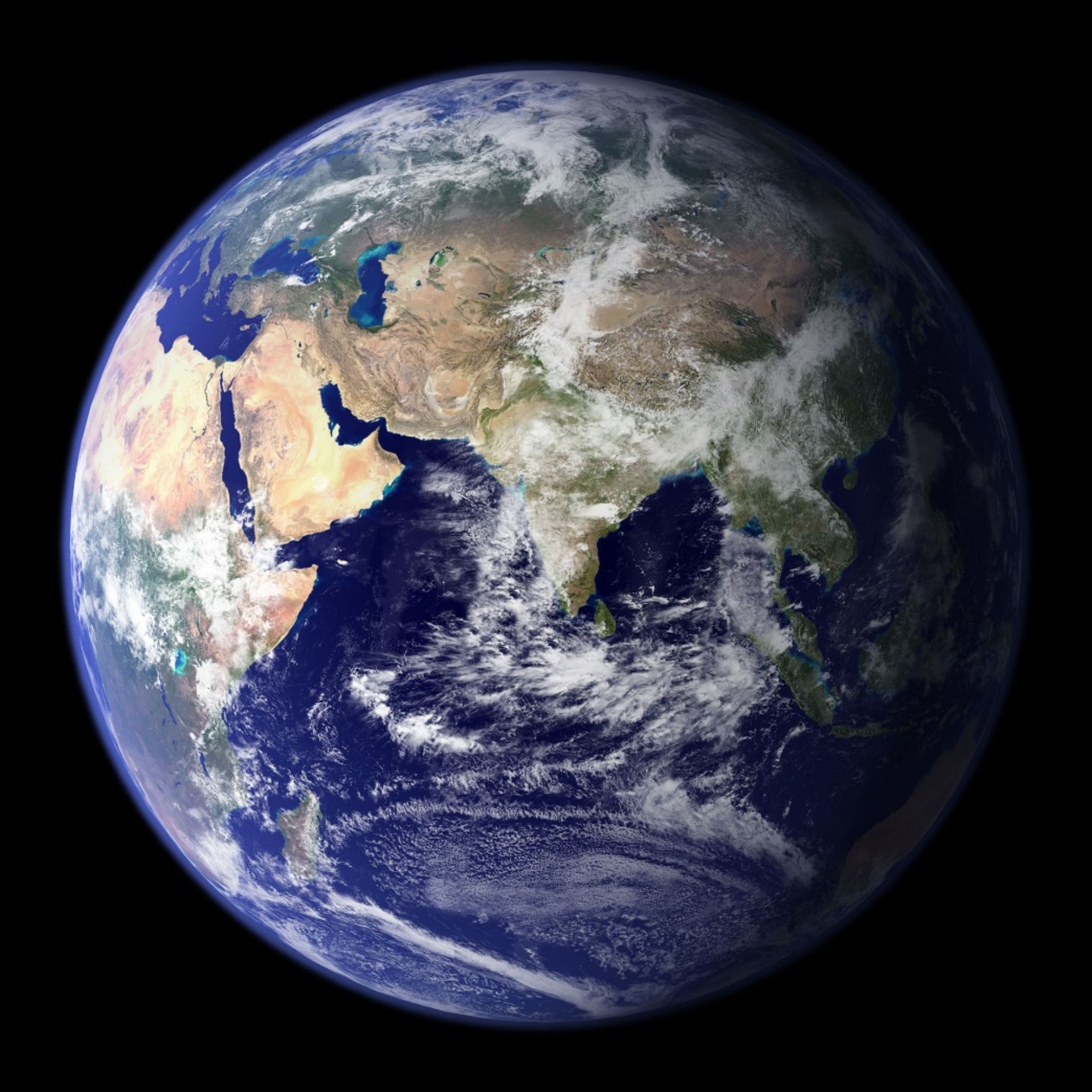
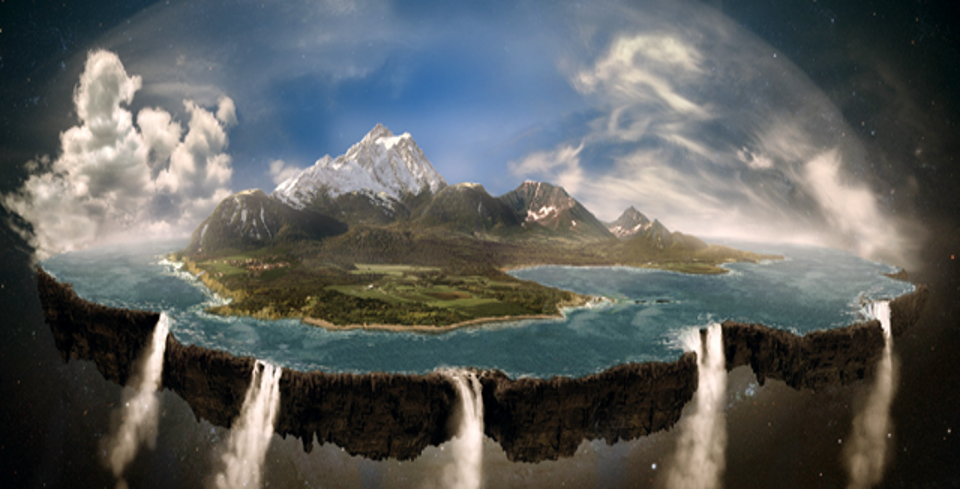
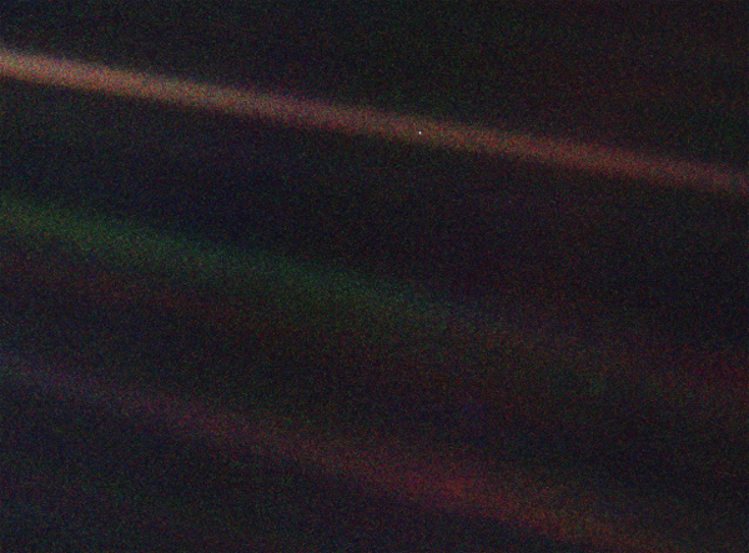
Our understanding of the world around us has therefore evolved considerably, as illustrated by the following series of representations of our planet across the ages:

The Earth as pictured in early antiquity
The Earth as seen by the Voyager probe from beyond Neptune: the ‘Pale Blue Dot’
The Earth seen from space