Secondary cage
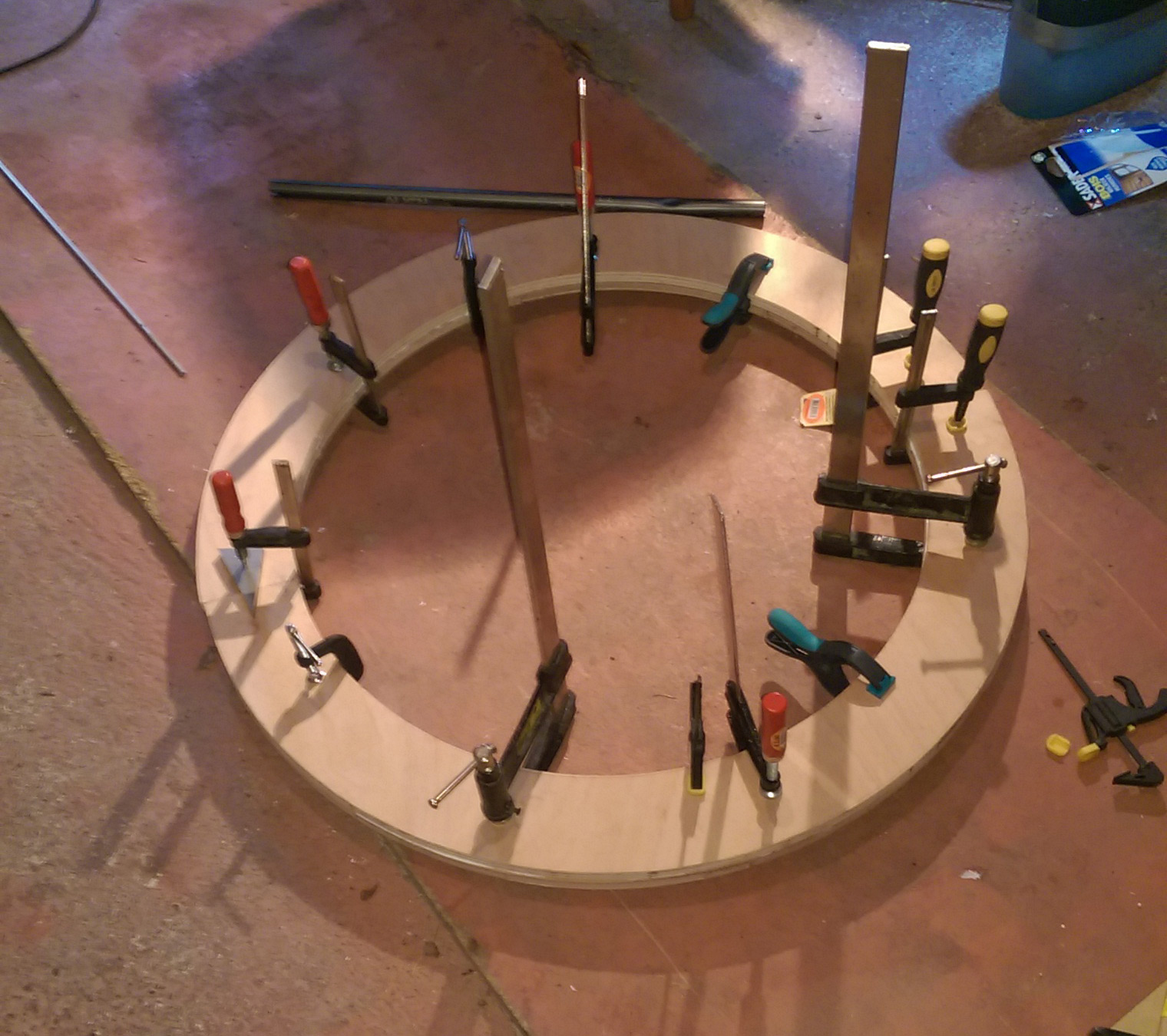
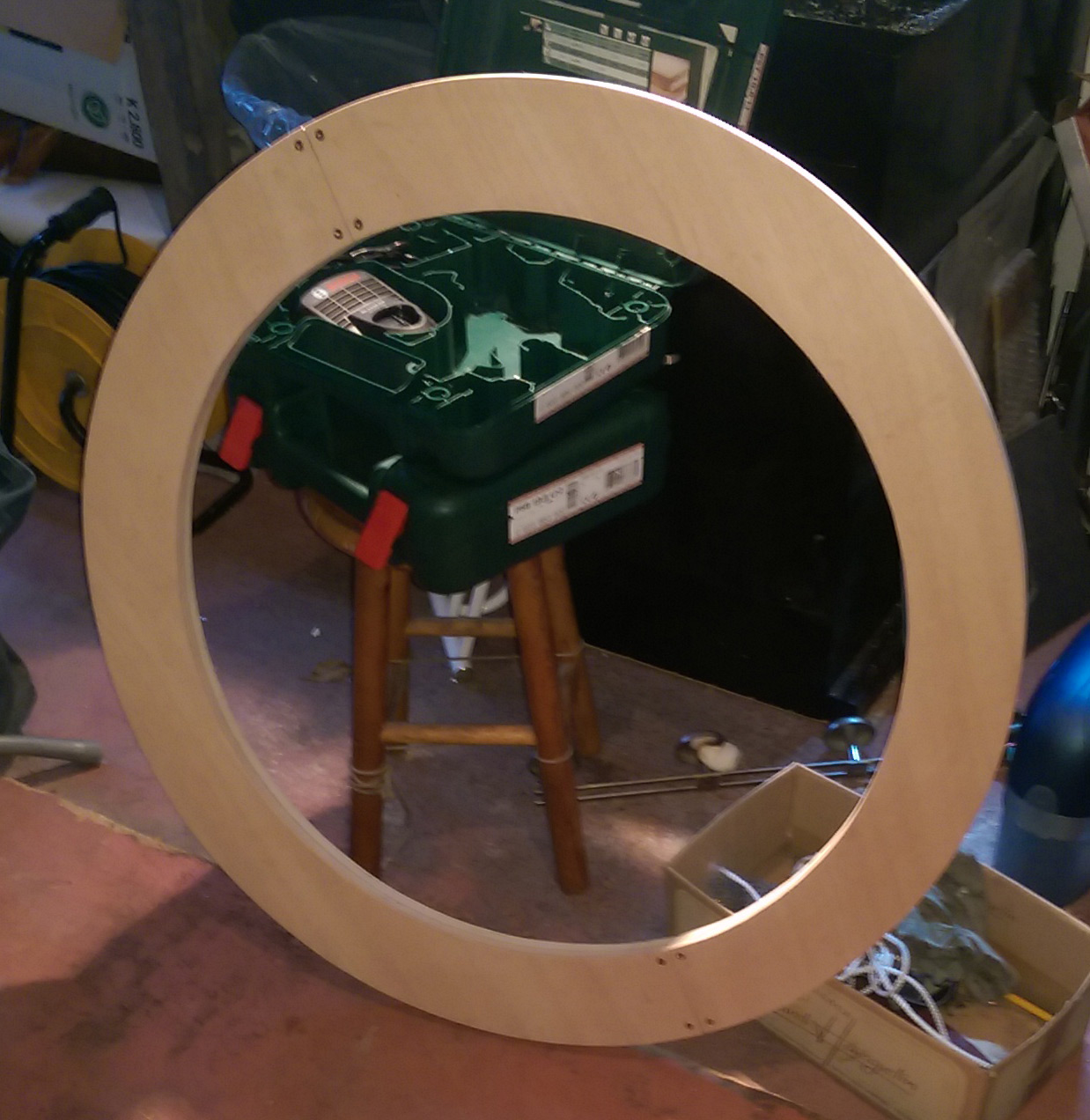
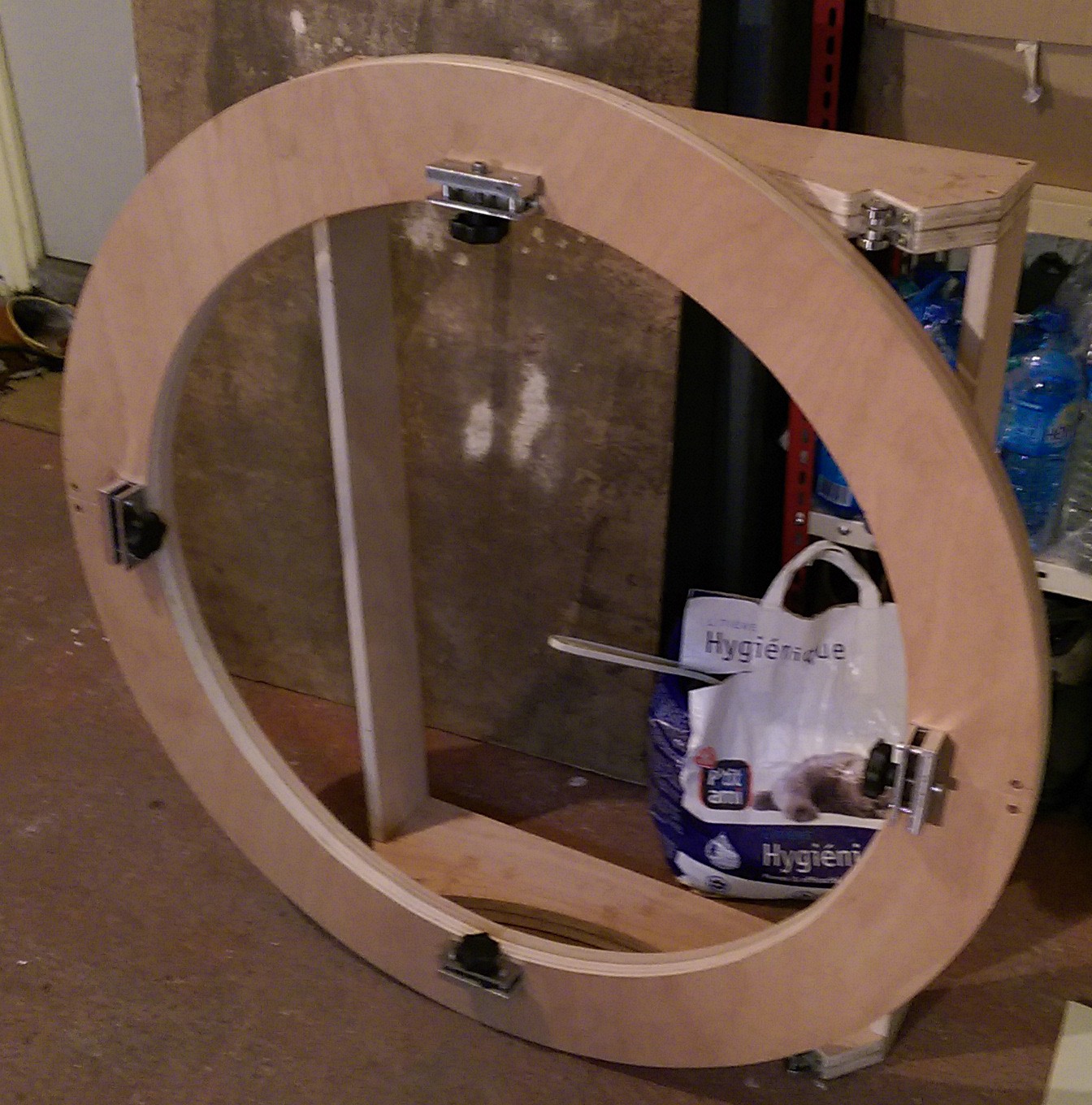
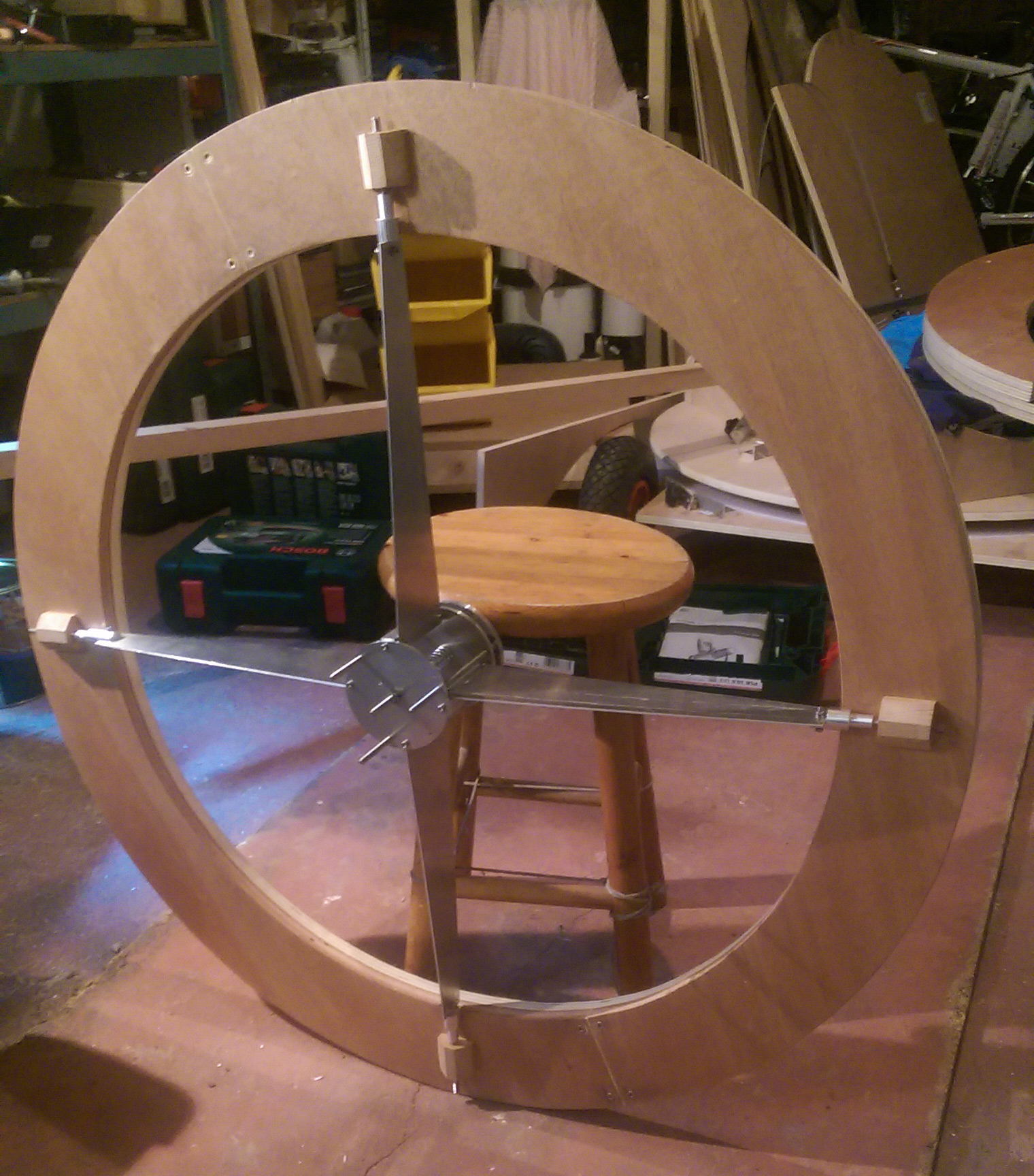
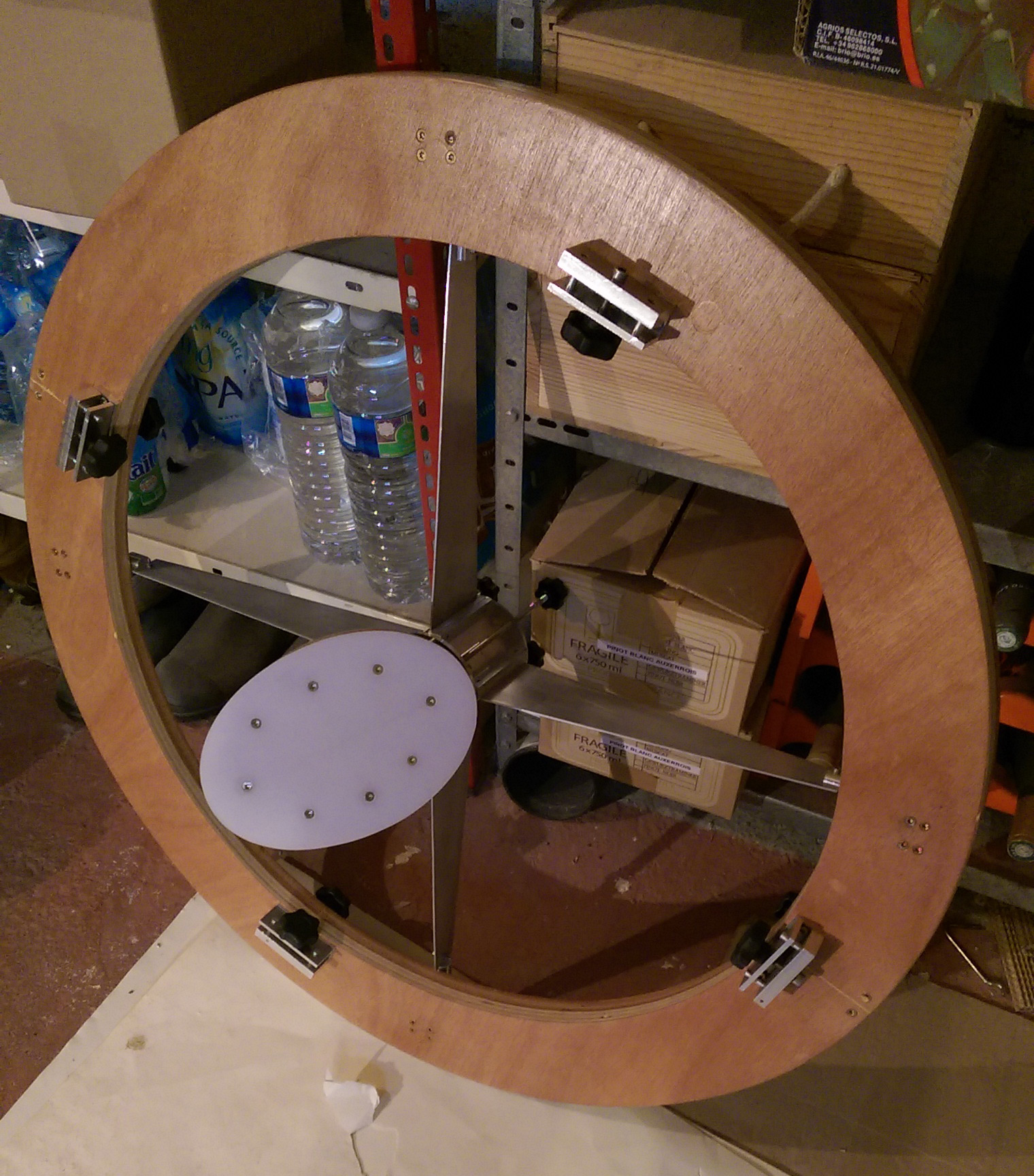
The secondary cage is actually a single ring made of plywood, measuring 830mm in diameter and 30mm thick. It is constructed by gluing four semicircles, offset by 90° to maximize strength. Once glued and sanded, the ring receives four attachments for the tubes, consisting of a 10mm-thick aluminum base on which a 4mm plate rests. The “U”-shaped sleeves of the tubes fit onto 6mm axes and are secured with the same quick-release fasteners as on the primary side.
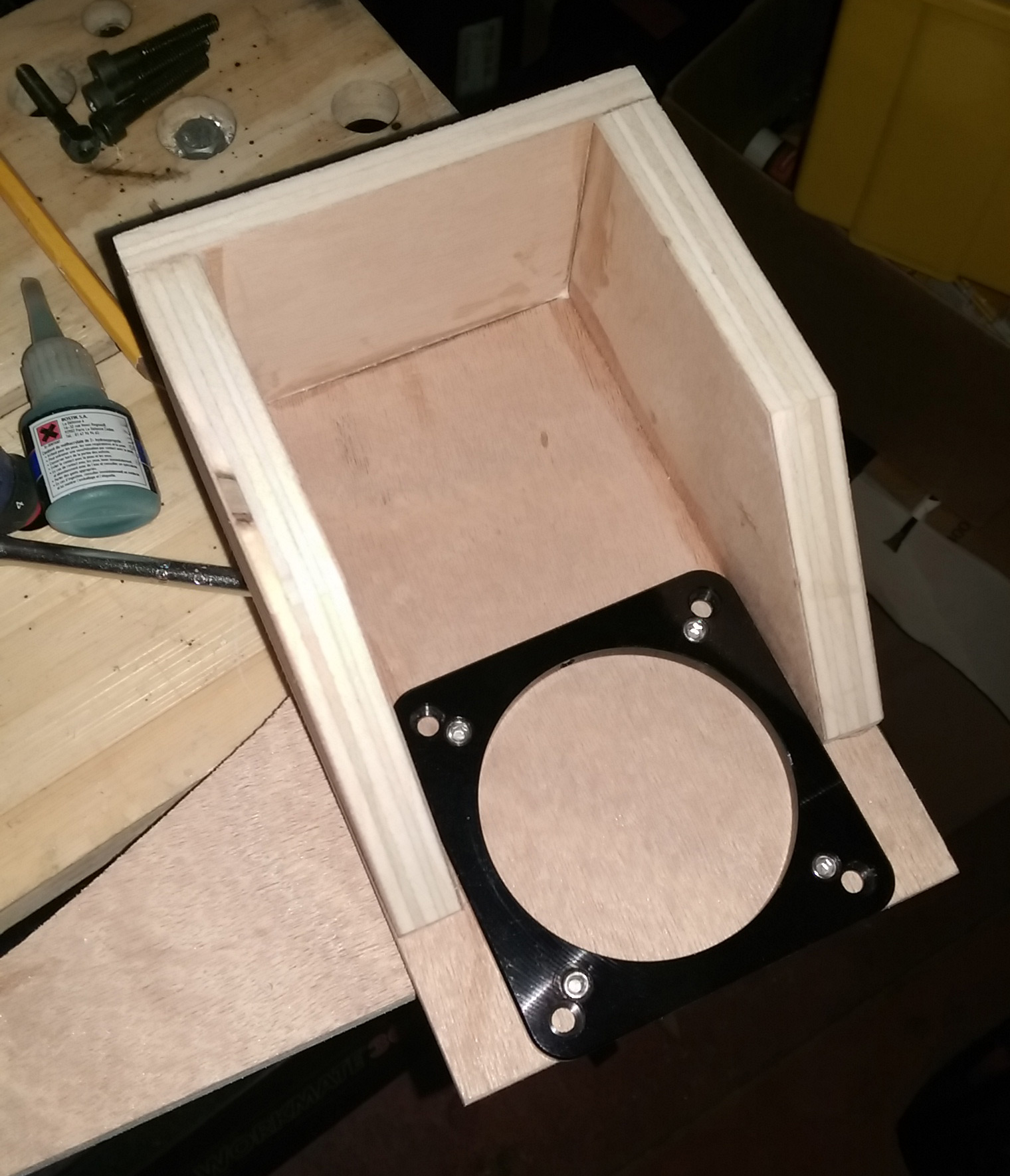
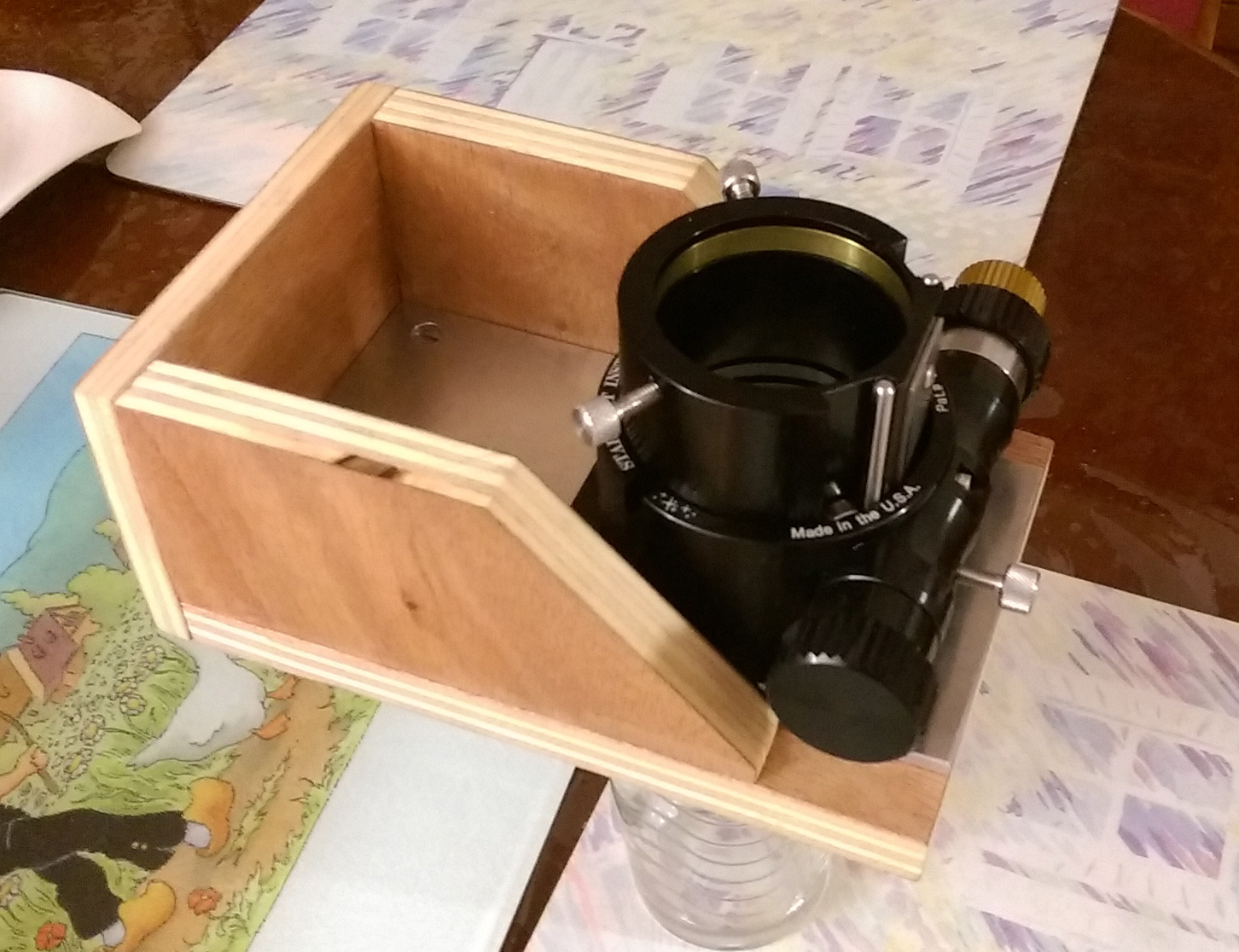
Next comes the installation of the focuser holder, whose base is mounted on a 15mm-thick plywood “box” with two large lateral reinforcements to ensure proper squaring relative to the ring. The focuser itself is a “Feather Touch,” wonderfully smooth. Its square base is screwed onto a 4mm-thick aluminum plate, which will allow for orthogonality adjustments if necessary.

secondaire_01
secondaire_02
secondaire_03
secondaire_04
secondaire_05
secondaire_14
secondaire_15
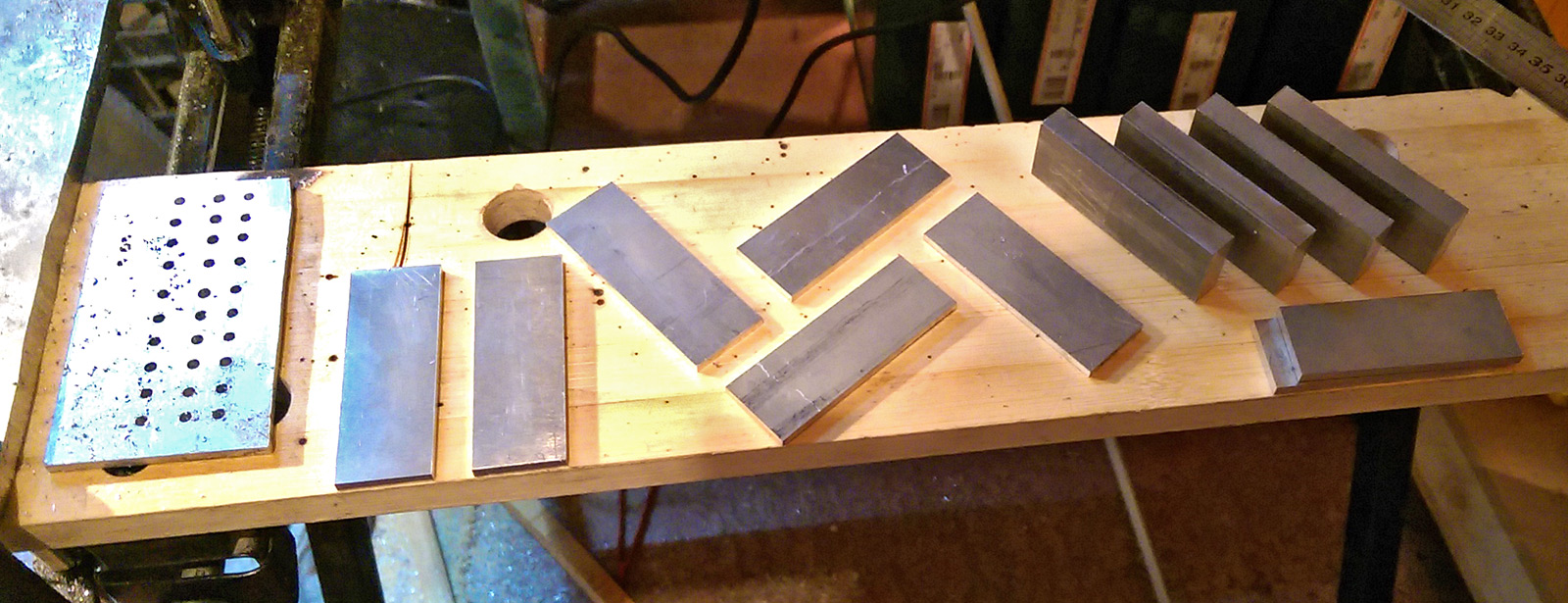
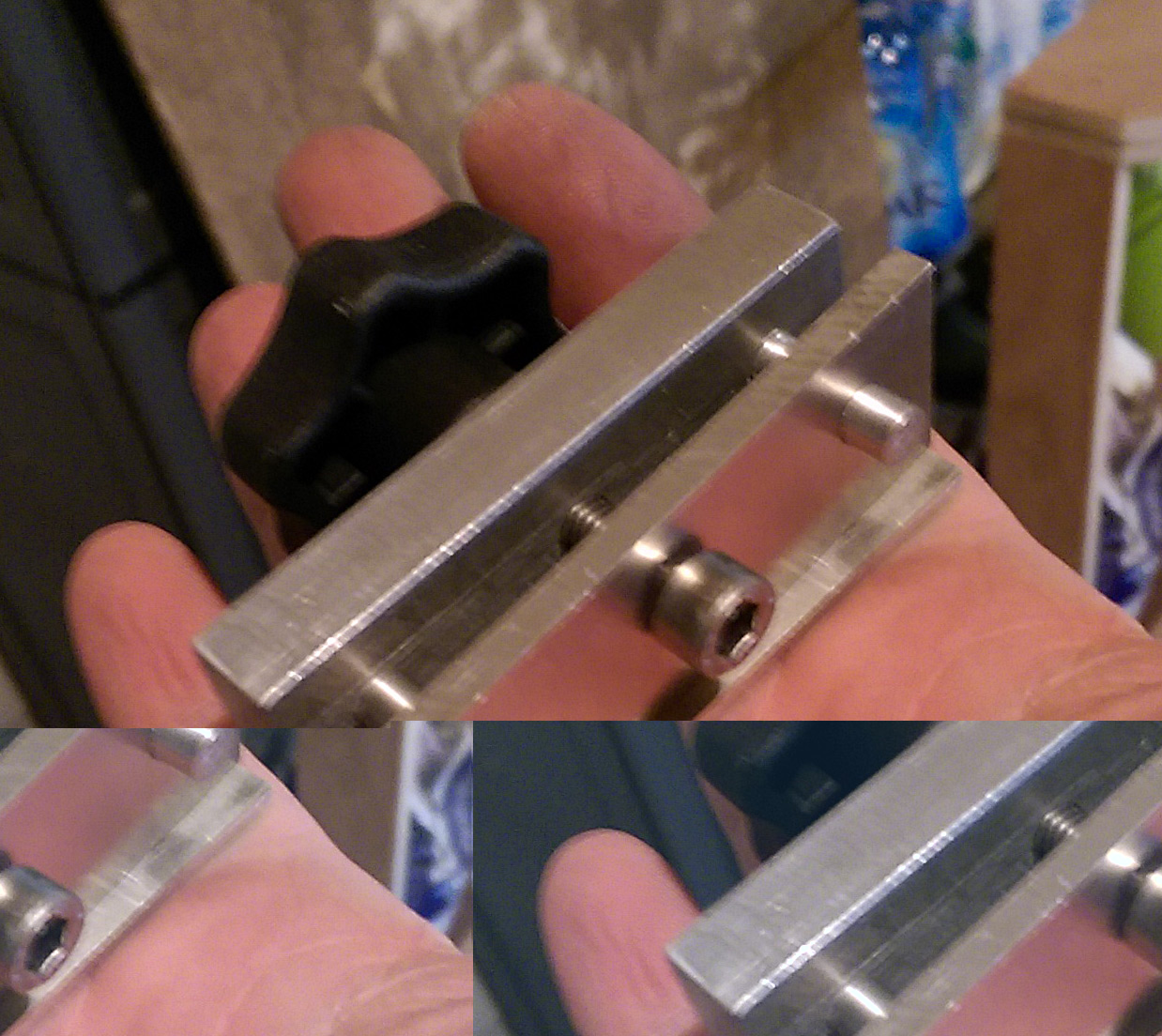
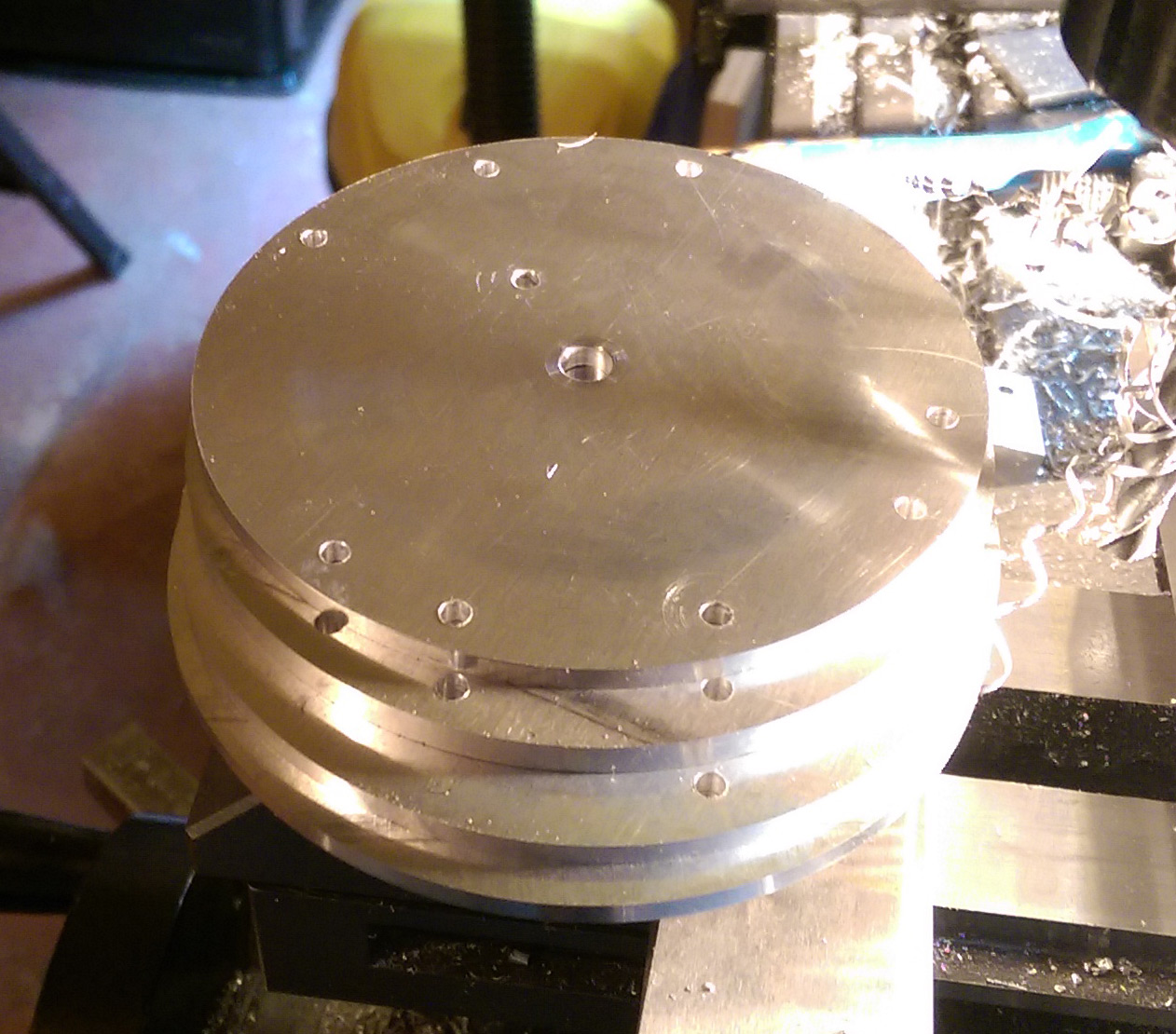
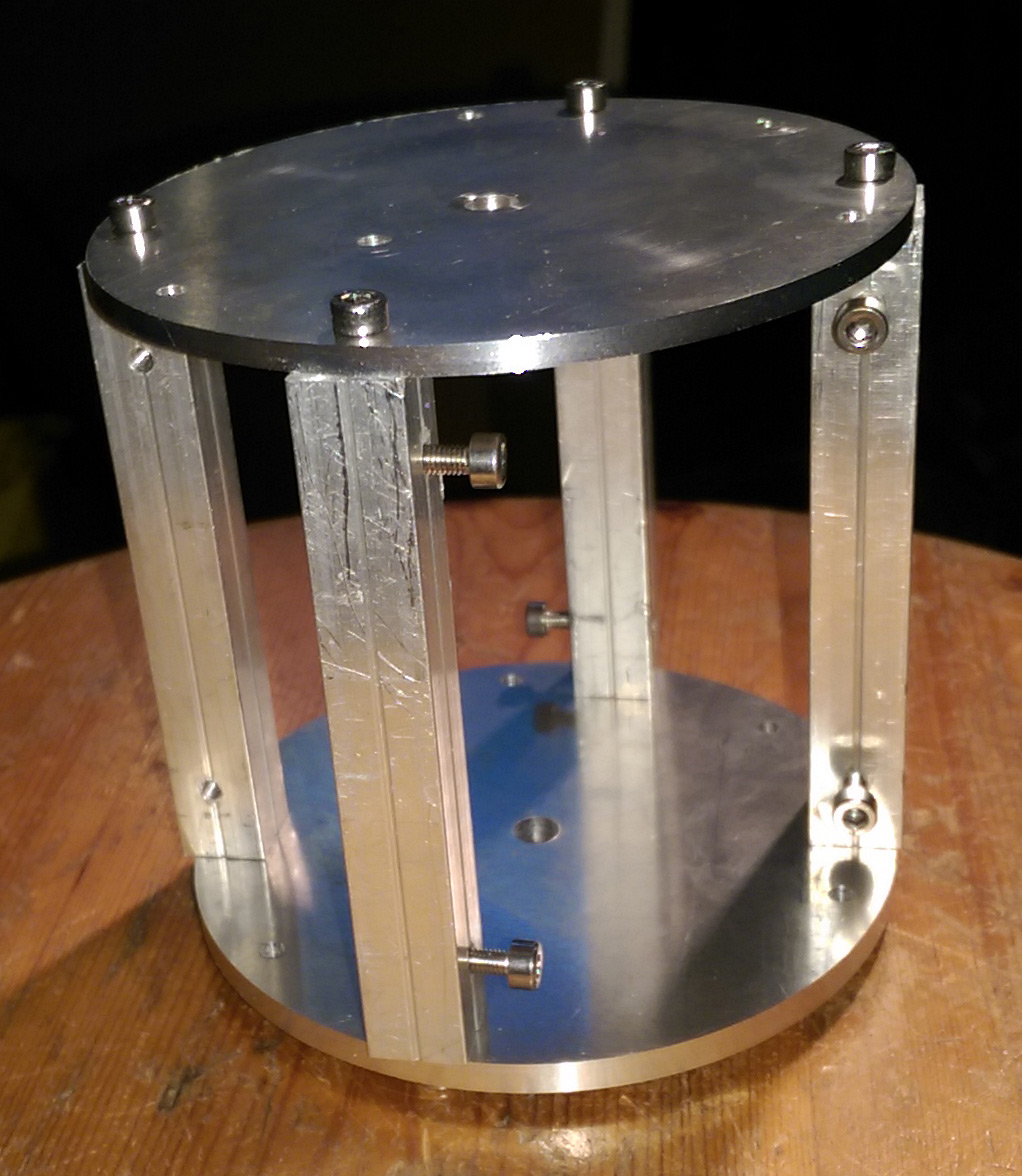
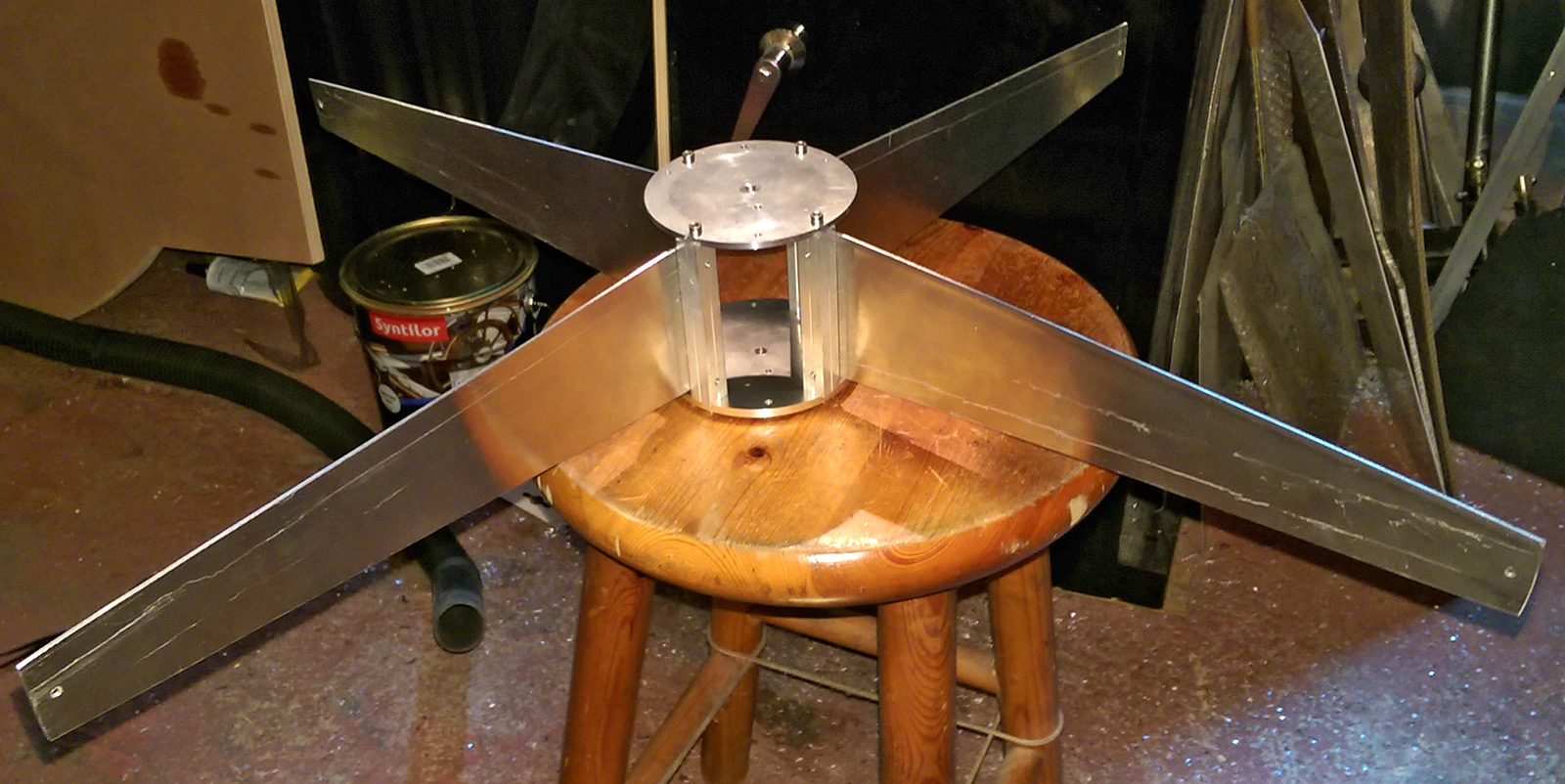
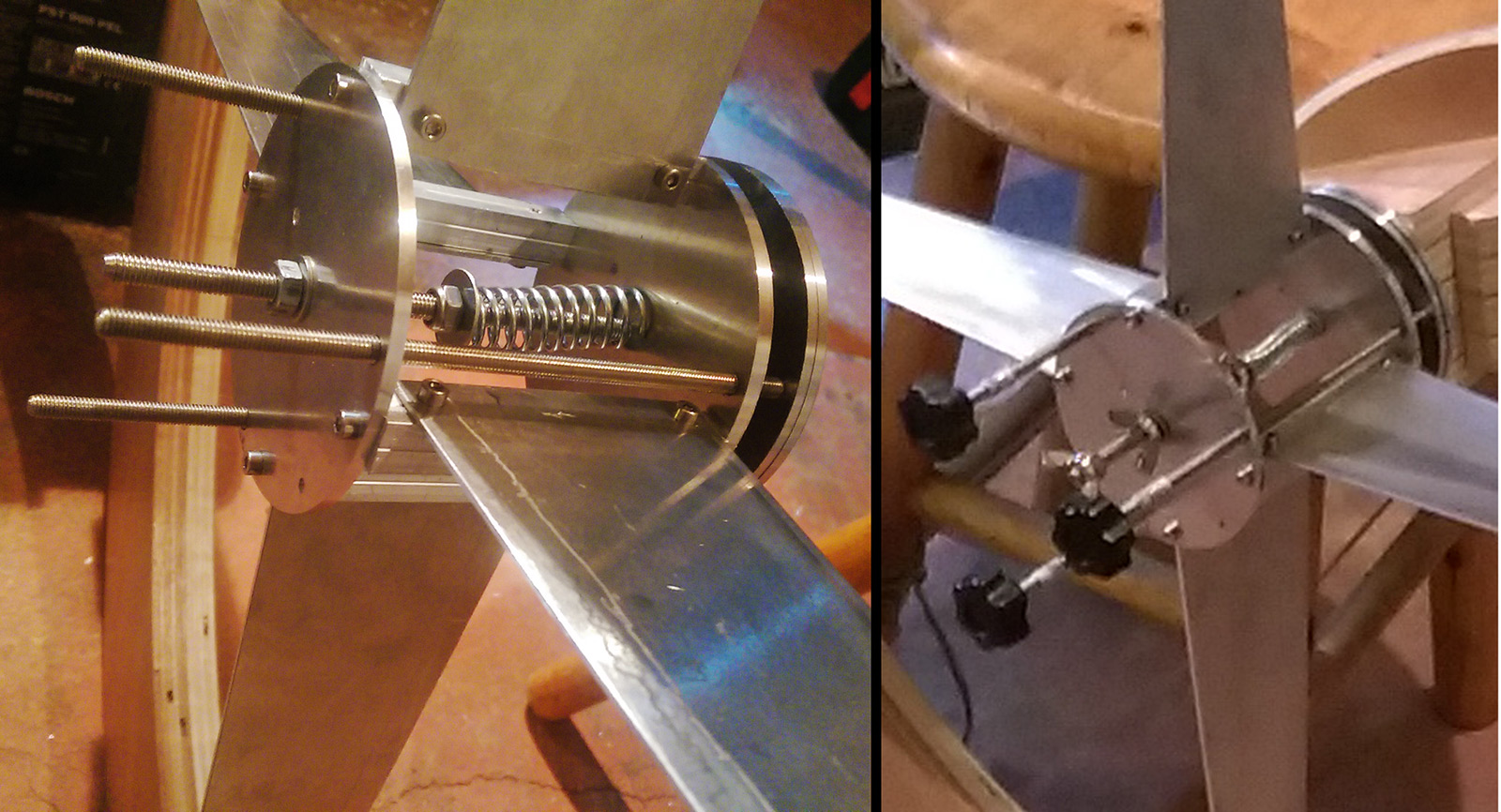
With the ring complete, it’s time to craft the spider that will support the secondary mirror. It consists of two 4mm-thick aluminum plates connected by 10x10mm aluminum blocks to create the central “cage.” Two additional plates will hold the inclined support for the secondary, allowing three degrees of rotational freedom and one in translation (Serge Bertorello system). The three collimation screws are manually adjustable, and the mirror can be “locked” by acting on the central butterfly screw.
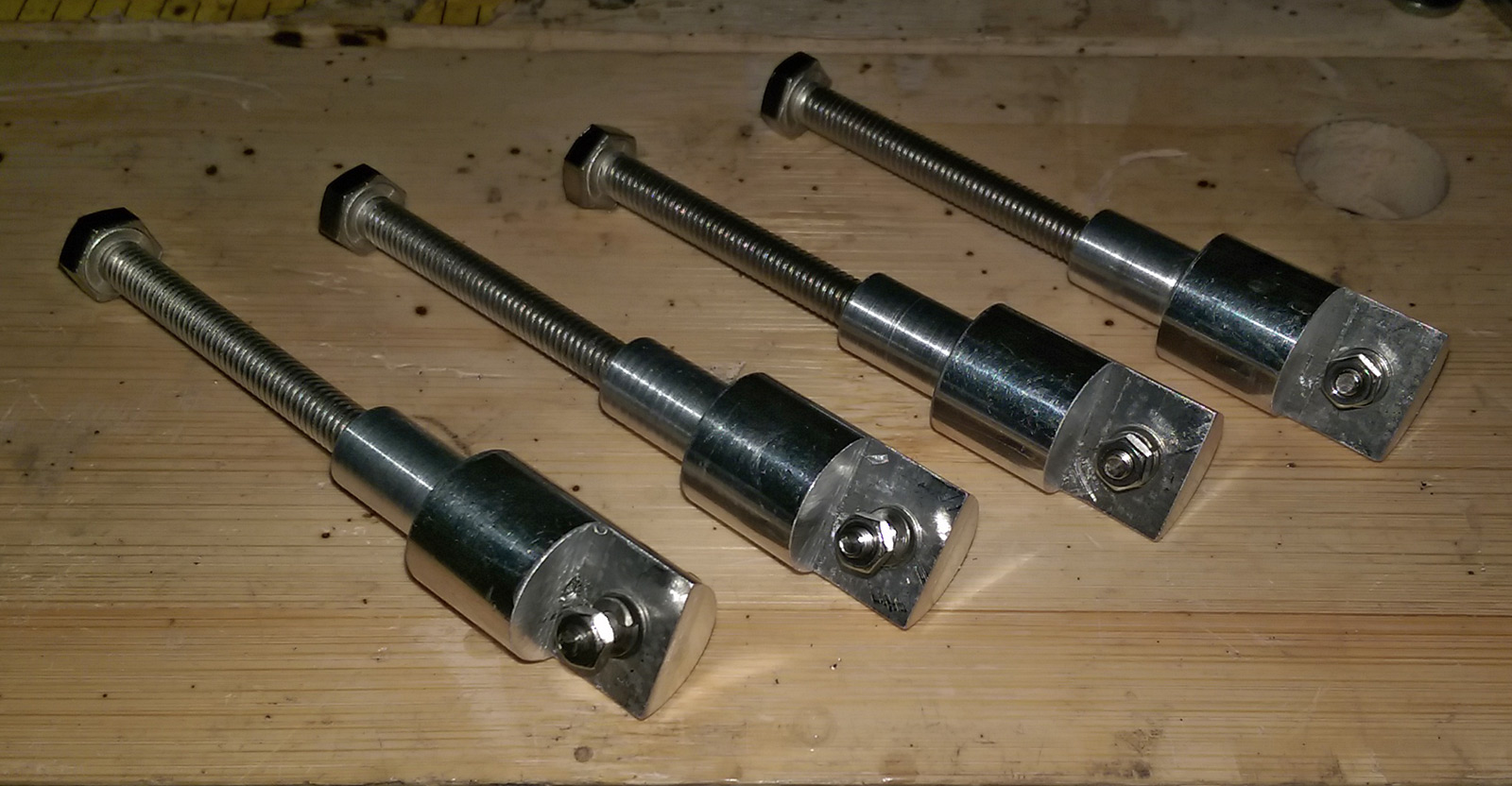
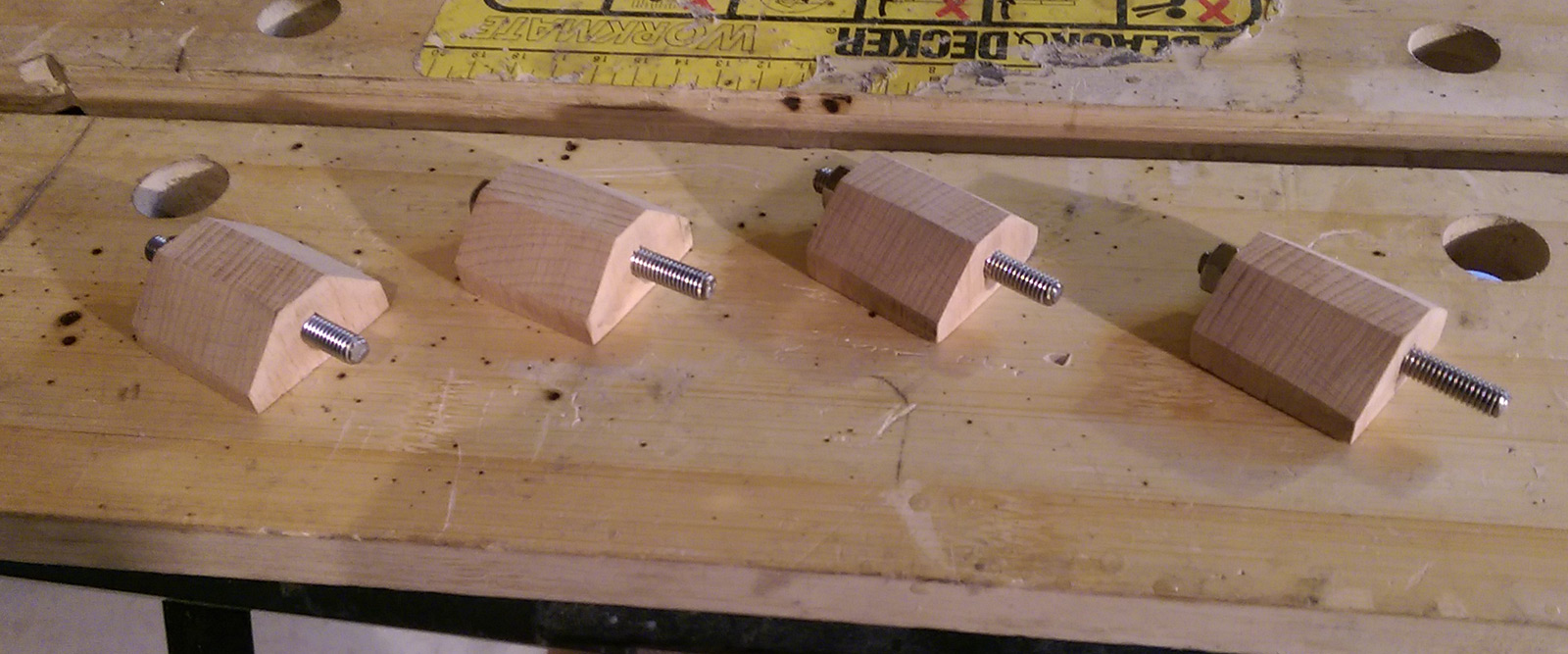
The “legs” are made of 2mm-thick aluminum and attach to the central cage. The resulting spider is attached to the secondary ring by aluminum sleeves and four 6mm stainless steel screws, secured by beech wood blocks that are glued and screwed to the ring. These screws provide two additional degrees of translational freedom, allowing the secondary mirror’s position to be adjusted along 6 axes for perfect alignment.
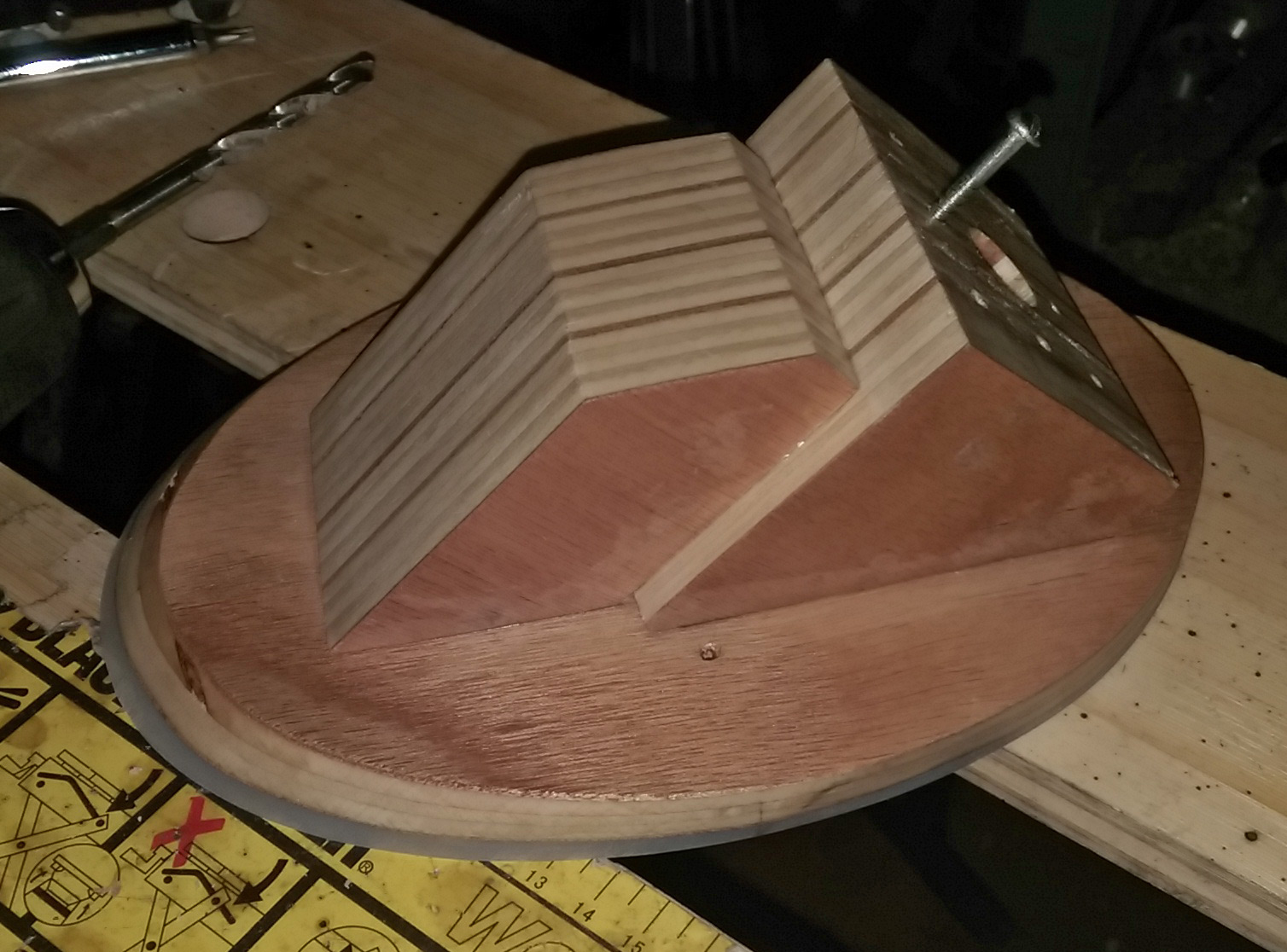
The secondary mirror support is a 10mm plywood ellipse topped with a 5mm polystyrene slice to isolate the mirror and protect it from dew. The mirror is secured at 8 points with silicone. The angled support is made of plywood blocks to account for the 45° tilt as well as the 11mm offset to capture the light cone from the primary.
secondaire_06
secondaire_07
secondaire_08
secondaire_09
secondaire_10
secondaire_11
secondaire_12
secondaire_13
secondaire_16
secondaire_17
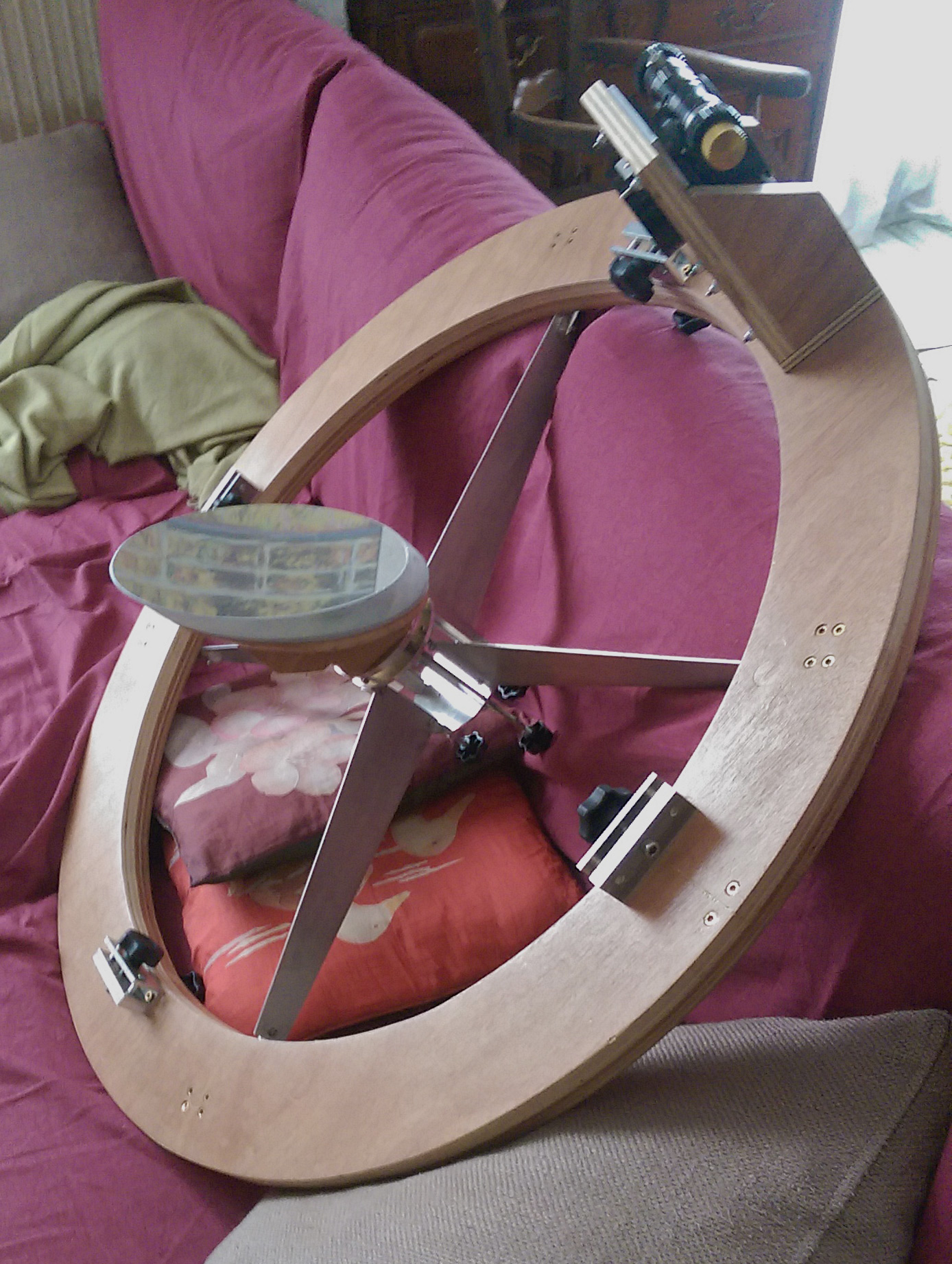
The secondary cage is now complete; we can move on to the telescope’s base.