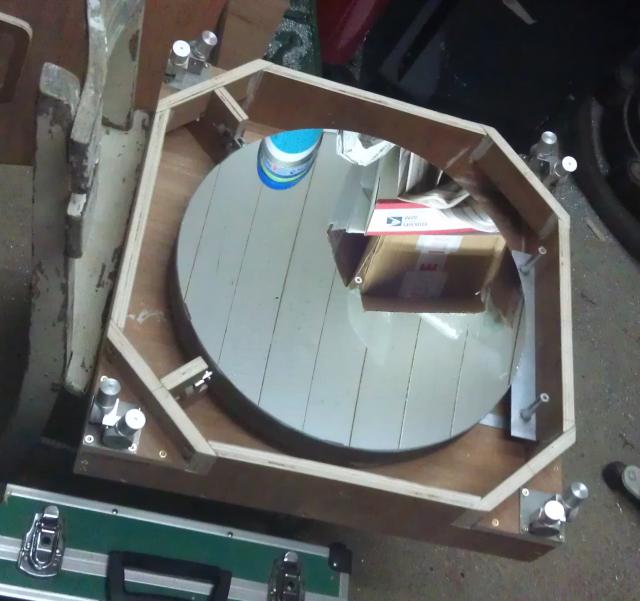
Primary box
his part was the longest in the building phase, since it needed much thinking about “critical” components, such as :
- The cell that will bear the primary mirror
- The collimation system
- The truss binding it to the secondary cage
Building the case
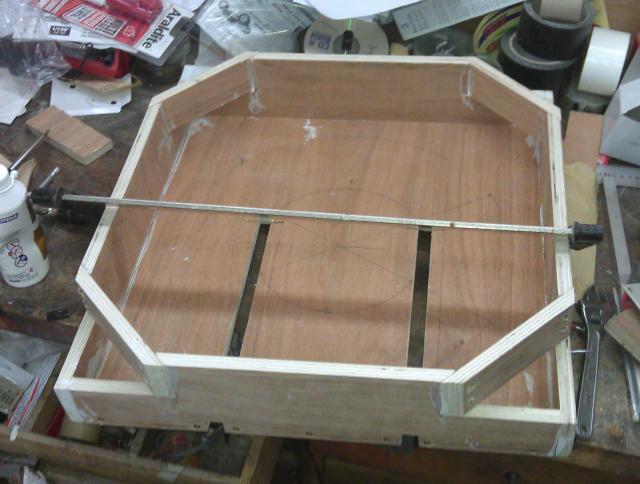
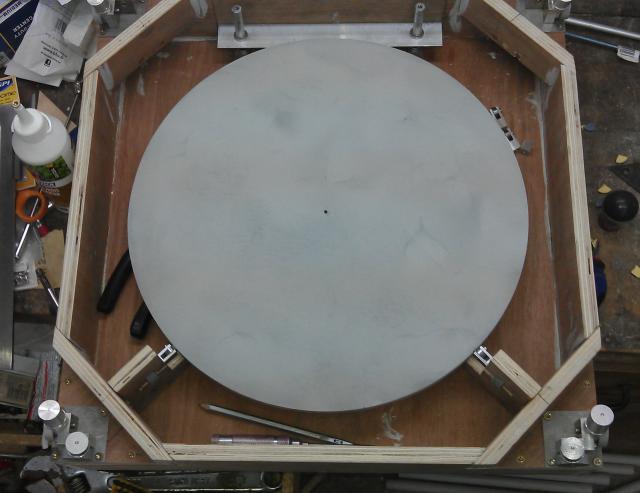
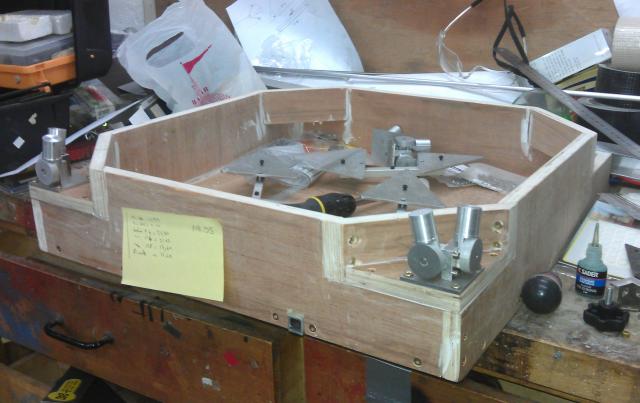
The primary case is based on the travel telescope concept, developped by Serge Vieillard & Pierre Strock, but adapted to a 400 mm diameter, and squashed to be the thinnest possible. It is made of 15 mm plywood to ensure enough stiffness. The shape of the case was directly inspired by the Dobson from Laurent, aka “Basque en balade” on the Webastro forum (you can see his telescope here).
Assembly will rely on screwing and wood glue, which make the structure pretty unbreakable (I tested it by stepping on the reversed case, and it doesn’t move at all 😉 ).
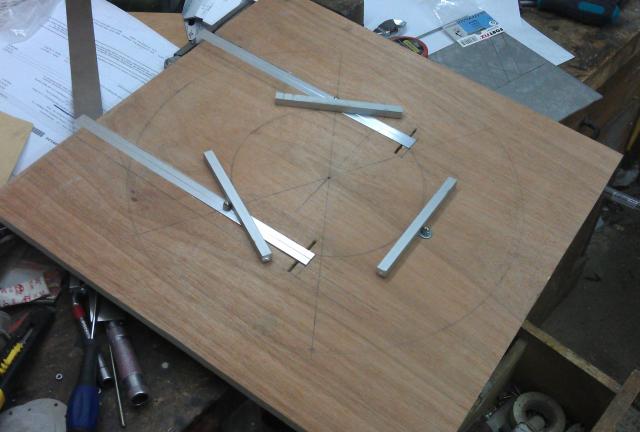
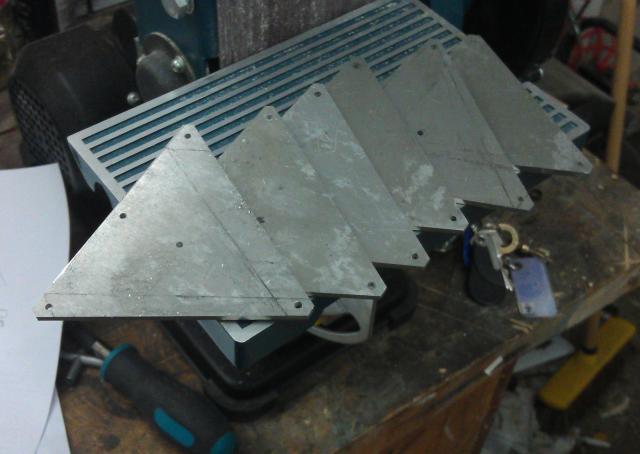
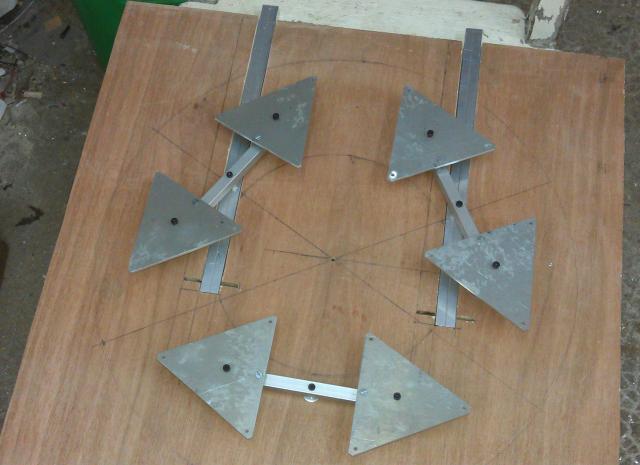
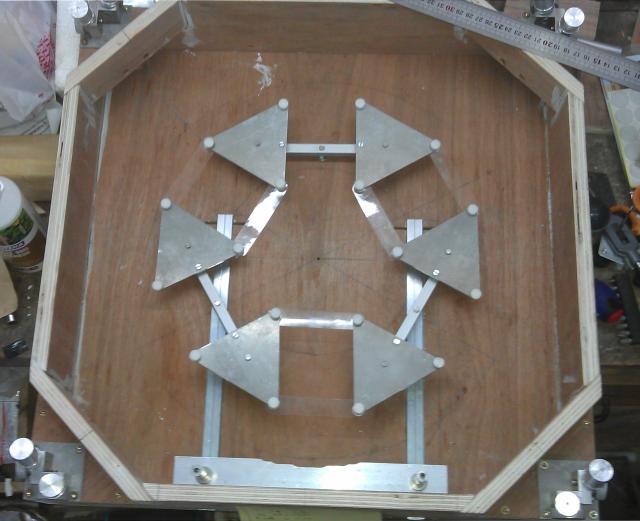
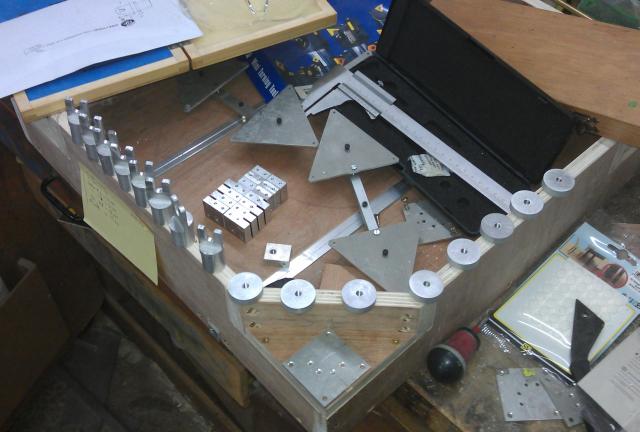
The cell is made to be the thinnest possible, as it was designed. Triangles are in duraluminum 3mm thick, and the levers are made from a 10 x 10 mm aluminum bar. I used blind nuts that were drilled and tapped, on order to pile the 2 levels of the cell. The thickness is eventually of 35 mm only, and collimation is done pretty well, and most importantly, stays well in place during use.
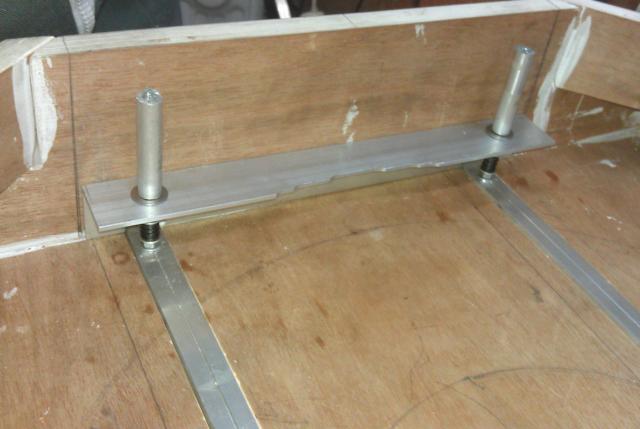
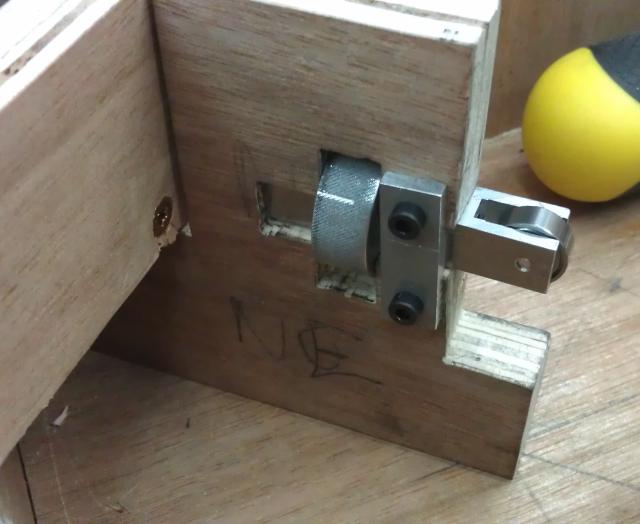
The main mirror sits on 2 index levers that end with ball bearings. I intended to make these levers adjustable, so that the mirror can be aligned on the telescope optical axis. This will also allow to use another mirror that could be of a slightly different diameter, if I ever wish to “upgrade” the telescope with a higher quality mirror.

build_031
build_024
build_026
build_027
build_029
build_069
build_067
build_073
build_072
Truss tubes binding
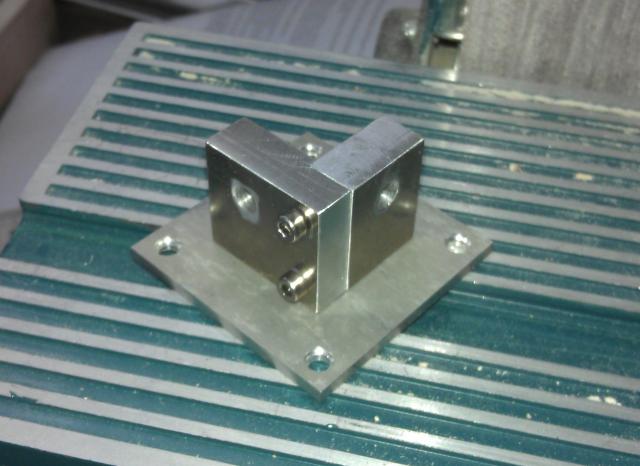
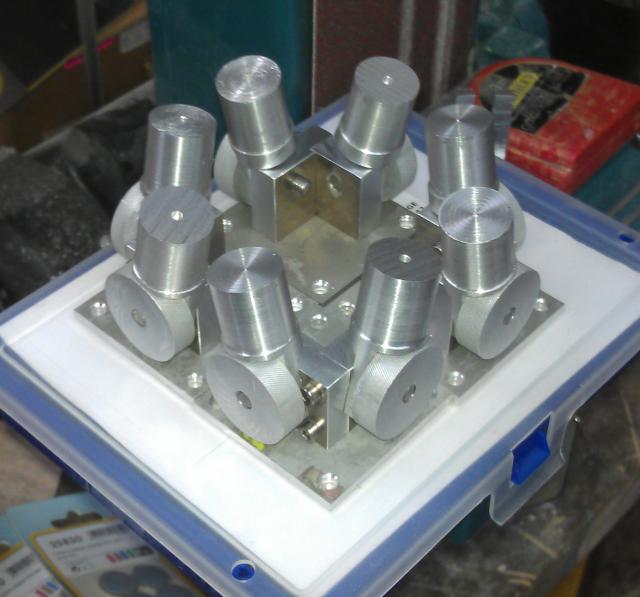
This is the part that needed the most brainstorming. I wanted a system that properly line the tubes, making the structure as stiff as possible, and allow to be mounted quickly and easily. I chose custom made aluminim bindings, which are tightened with special “low profile” knurled knobs. The goal is to bind the tubes on the outer side of the case, without going off the case dimensions (since the case is also used for transport and will be put on the ground on its side).
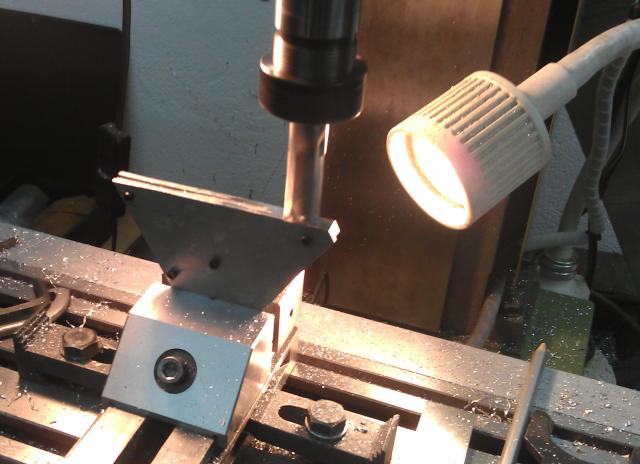
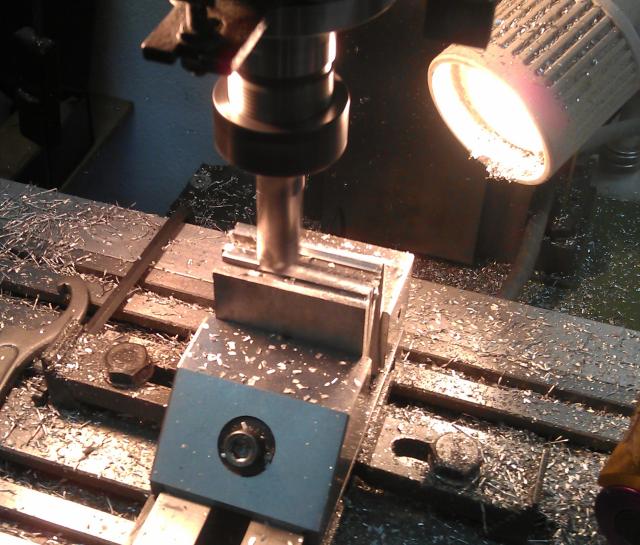
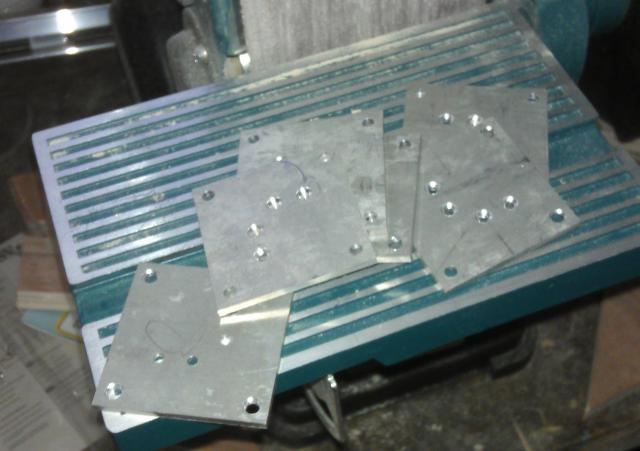
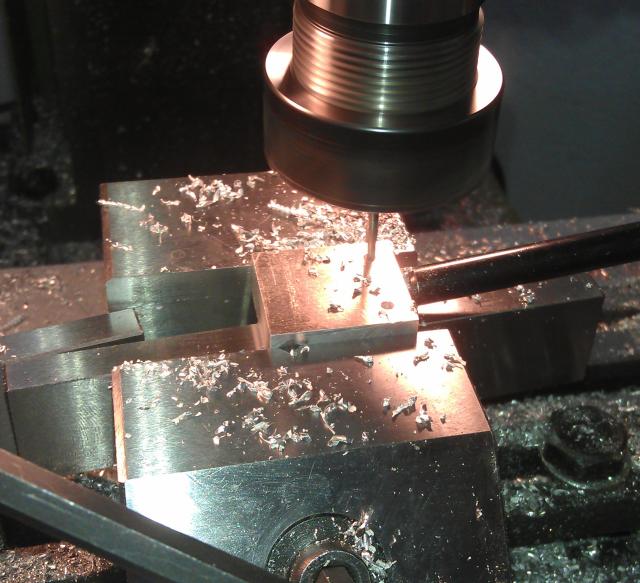
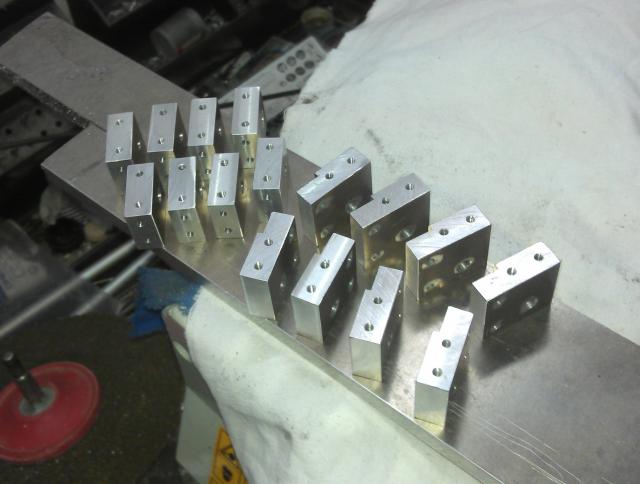
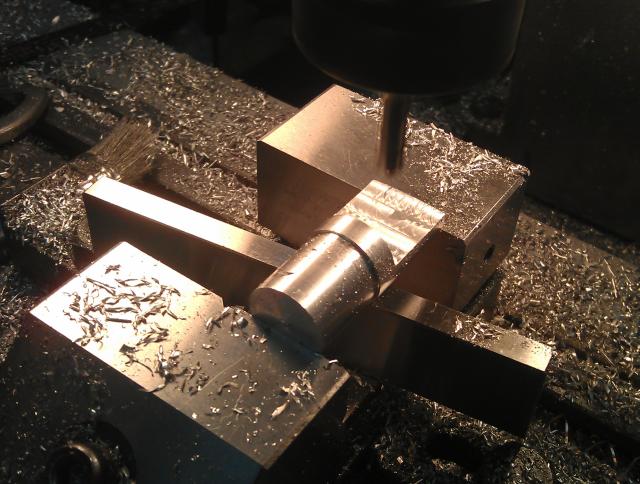
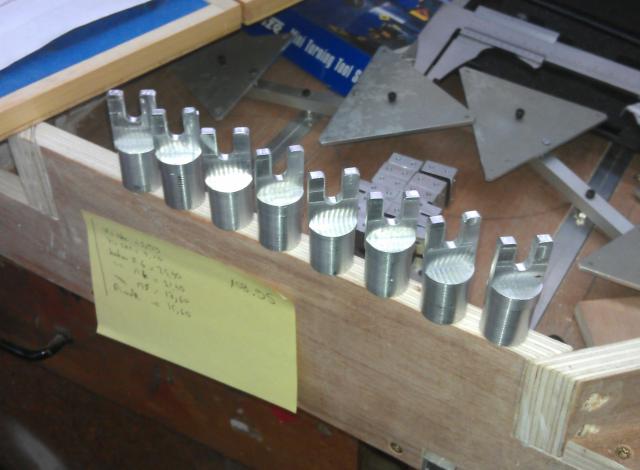
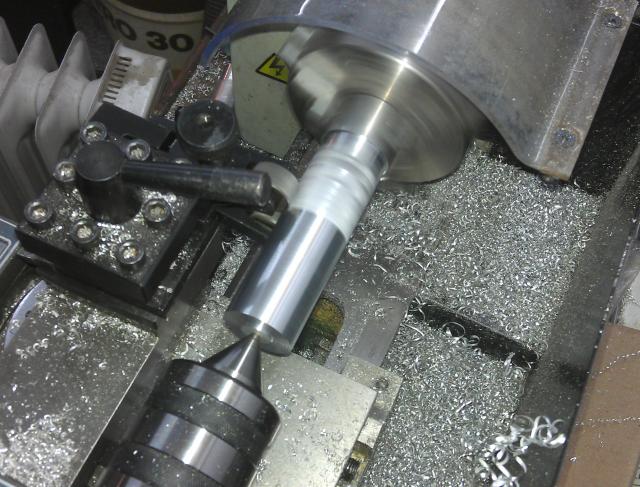
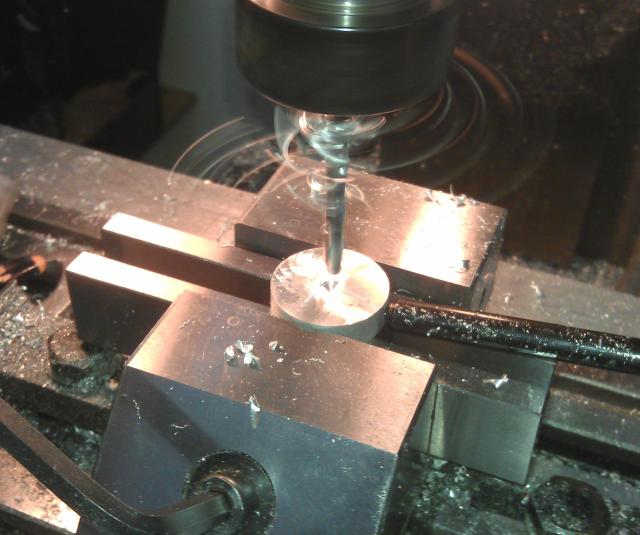
After a few days of hard thinking, I finally found a nice system, which has proven to be very efficient in use : the optical tube is quick to mount and very stiff. Lower part of the bindings are made from a 10 mm AU4G plate. This won’t have any flexure.Tube-side bindings are monobloc parts, force-fitted into the truss tubes, hence without any play (4 mm of aluminum at worst).
build_036
build_039
build_042
build_043
build_044
build_049
build_053
build_056
build_059
build_061
build_063
build_064
build_075